
Link building is a hot topic for lawyers for a couple of reasons:
- Historically, "bad" links could lead to your law firm's website getting penalized by Google
- Most agencies that law firms hire don’t really do much link building. They say they do, but they don’t
This guide will provide you a roadmap to build high authority links for your law firm while avoiding the potential penalties along the way.
What are links (translated to the legal industry)?
Links, also called backlinks or hyperlinks, are like the internet’s equivalent of citations. When clicked, they take you to another page either on the same website or another website on the internet.Usually they are underlined and may also be a different color from surrounding text, often dark blue. Here’s an example of what links on our website look like:



Why are links important for lawyer SEO?
At first glance, links seem rather innocuous. They’re a vital part of how the web functions and how people discover new content online.More importantly, they’re how search engines like Google can discover content.
If sites like Huffington Post, Forbes and Miami New Times are all writing articles and linking back to your law firm's website, Google will crawl those links. It’s how it can discover your content faster and it associates you with those authoritative websites.
Here’s an example of Tiffany Hughes’ law firm mentioned in a Huffington Post article:
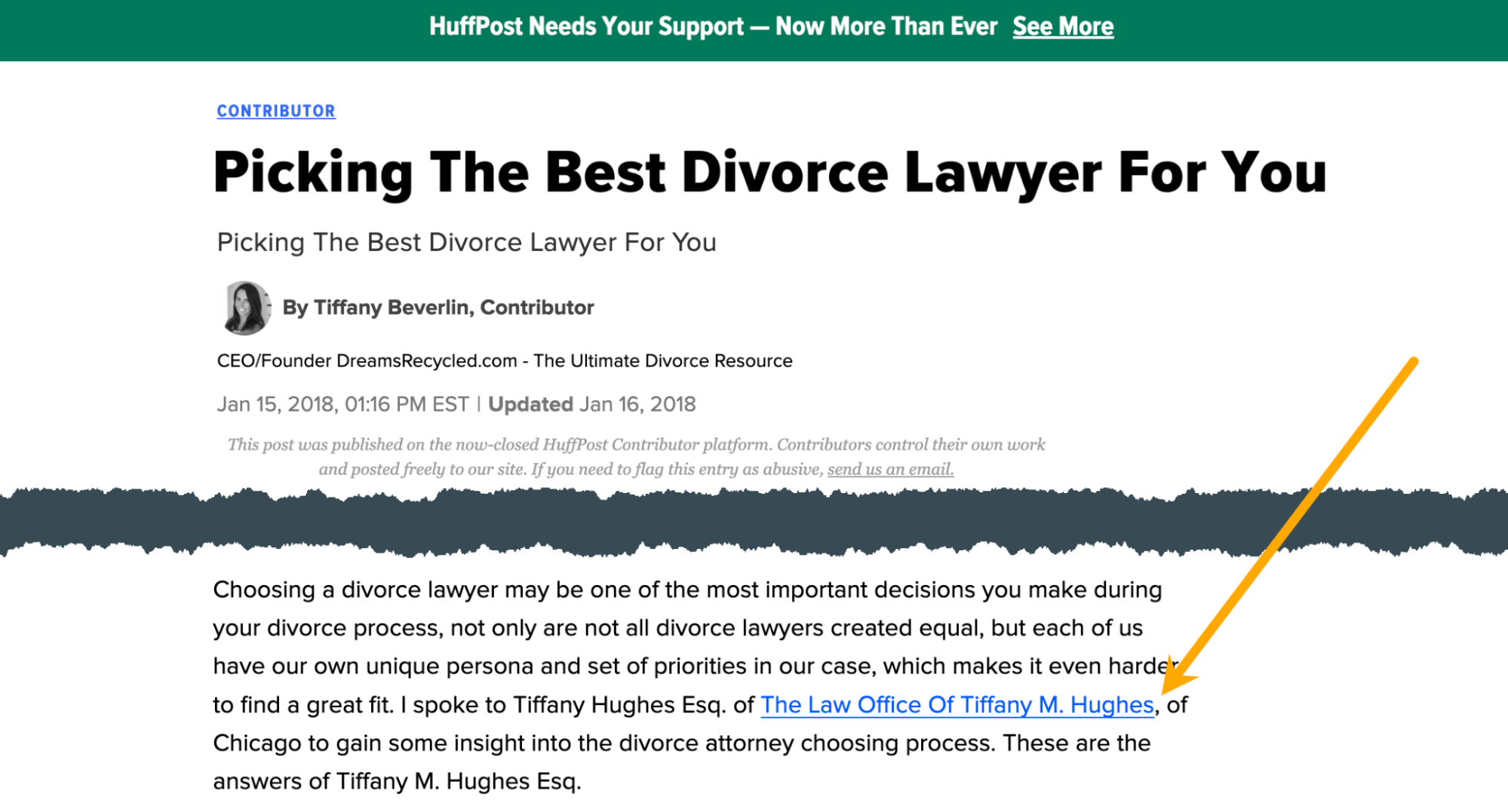
If your SEO is not working, it could be a link-related issue.
But not all links are created equal.
Types of links to earn for your law firm’s website
The key to good link building, and why it’s so important, is making sure that the links you’re getting are on relevant, authoritative websites.So that’s websites about law, your local area or general big press websites like Huffington Post, Forbes and other sites like that.
But you can also get links from:
- Social media
- Comments on blog posts
- Links from unauthoritative websites
- Websites built to be link farms
Here are the three tiers of links we build for our clients that we’ve found have the most impact and keep you on Google’s good side.
Tier 1 Links: High-Profile PR & Press Links (Forbes, etc)
These links come from your local press and authoritative news publications.Tiffany Hughes’ mention in the Huffington Post article above is an example of this. But she’s also been mentioned in Yahoo News, She Knows and Pure Wow among other top tier publications:
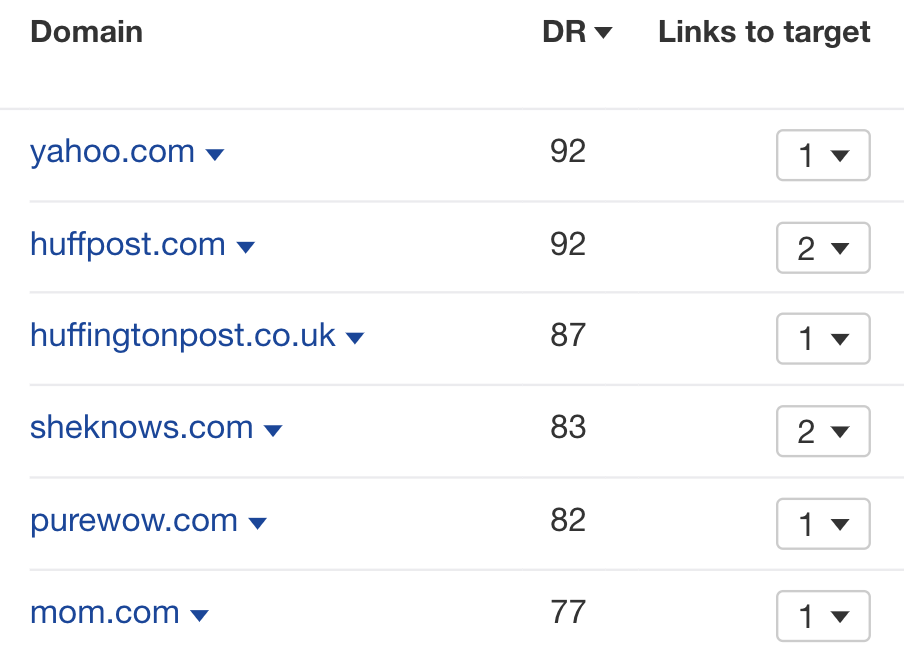
To get a link like this, you could:
- Find an author who writes about law on a high tier publication
- Check out their profile page to gather their contact info
- Send an email to them asking if they’re covering topics in your area of law
- Offer to be an expert resource they can interview or quote
Tier 2 Links: Contextual Links
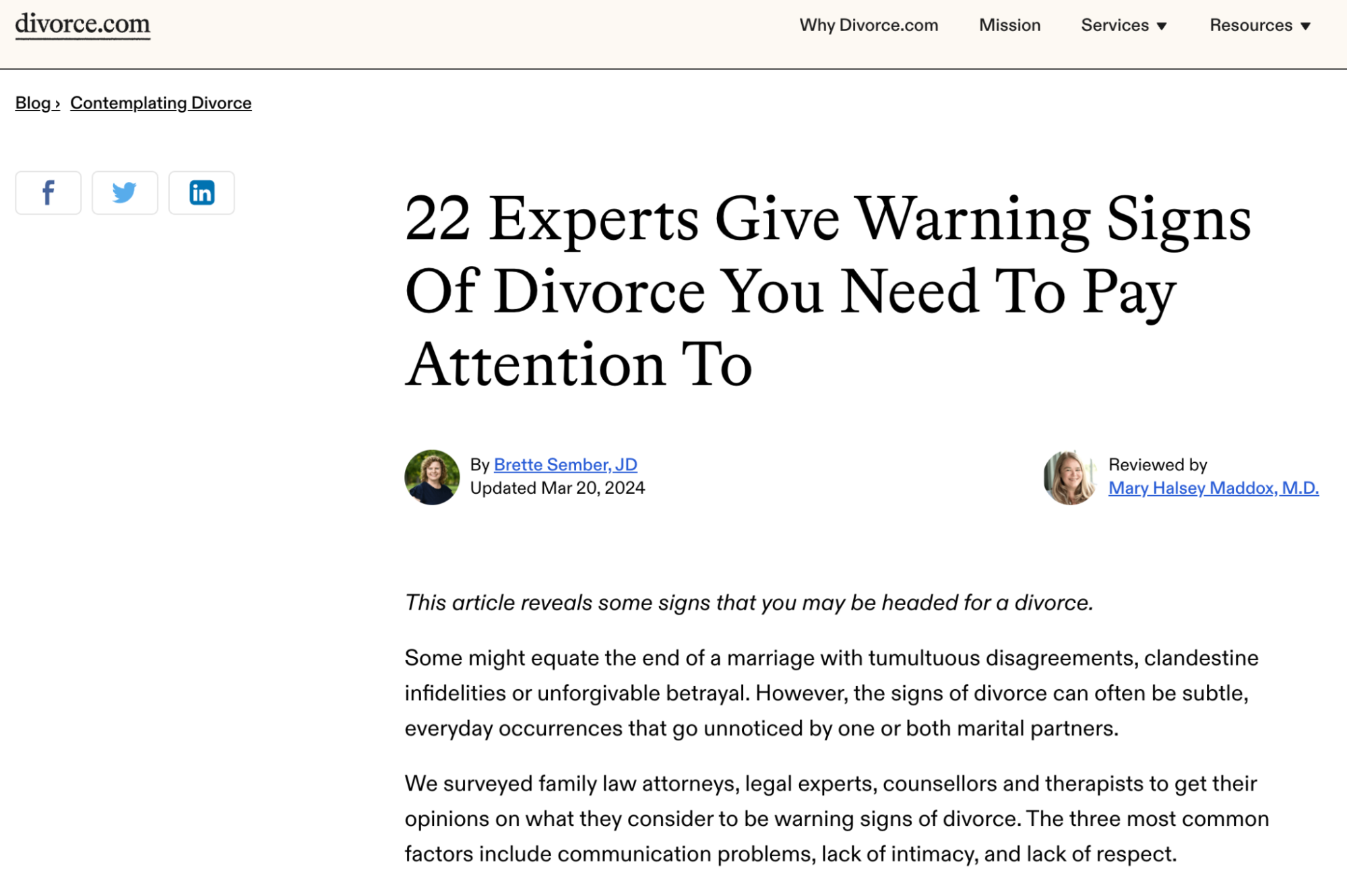
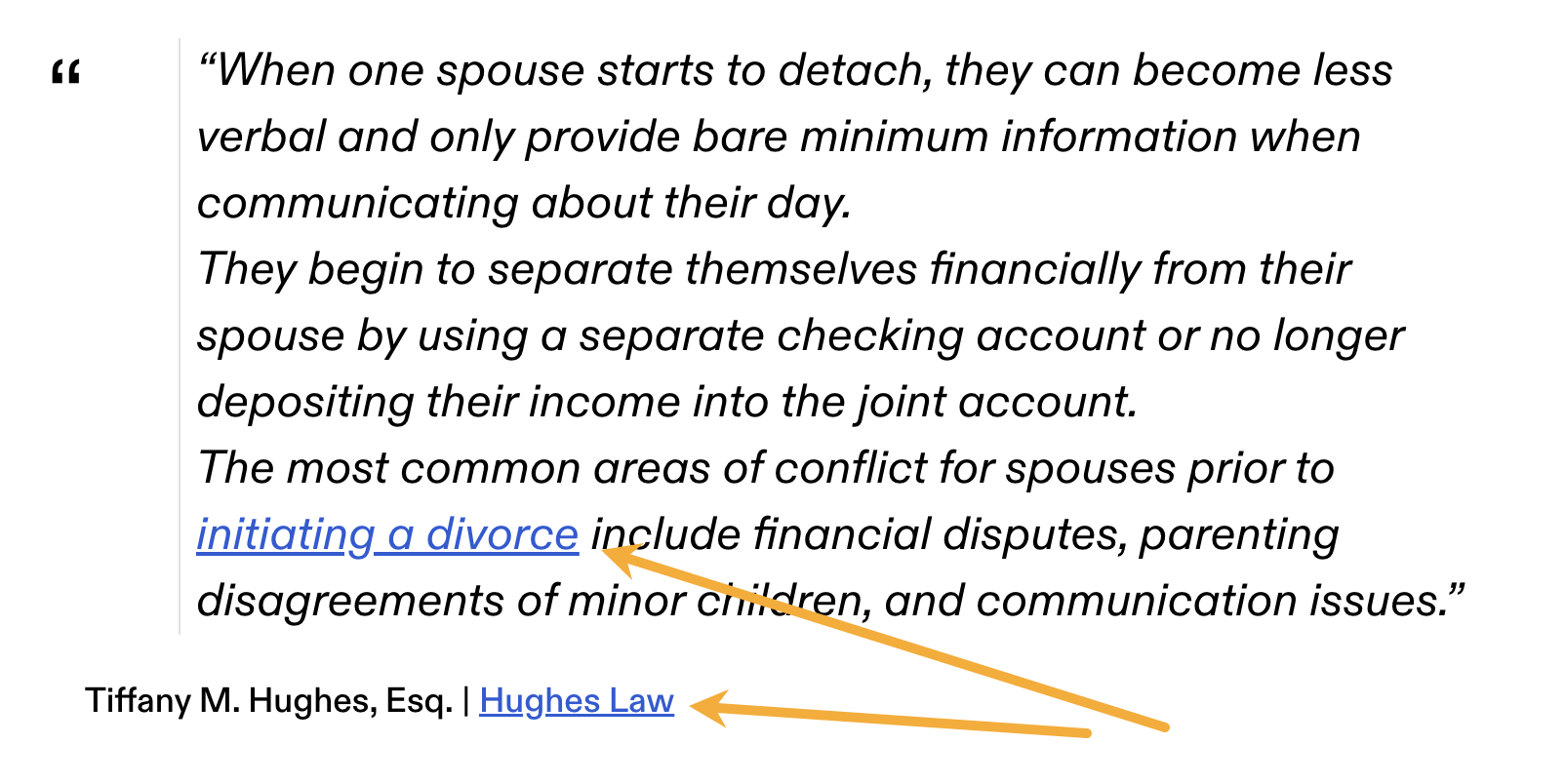
Contextual links are those that are in the body of content and are among the best links you can get but without the cost of high-profile websites.For example, divorce.com is a very relevant website for a divorce lawyer to be featured on.
Links from sites like this are not only just as impactful for SEO, they’re also easier to get. Check out this post featuring over 22 experts who weigh in on the signs of divorce:
And, since it’s easier and cheaper to be featured on these, we spend at least 60% of our efforts building these types of links for our law firm clients by:
- Brokering exchanges on the websites we work with
- Getting links for event sponsorships
- Guest posting on these websites
- Sponsoring posts and content
- Submitting quotes on behalf of our clients
Tier 3 Links: Manual Links and Citations
Manual links and citations are the kinds of links you can get by being featured on websites like Super Lawyers, Avvo, Justia and similar.This strategy is sometimes referred to as parasite SEO as you can piggy-back on the authority of these websites to rank high for competitive keywords.
Continuing the example of Tiffany Hughes, here are some examples of foundational links she has on Justia:
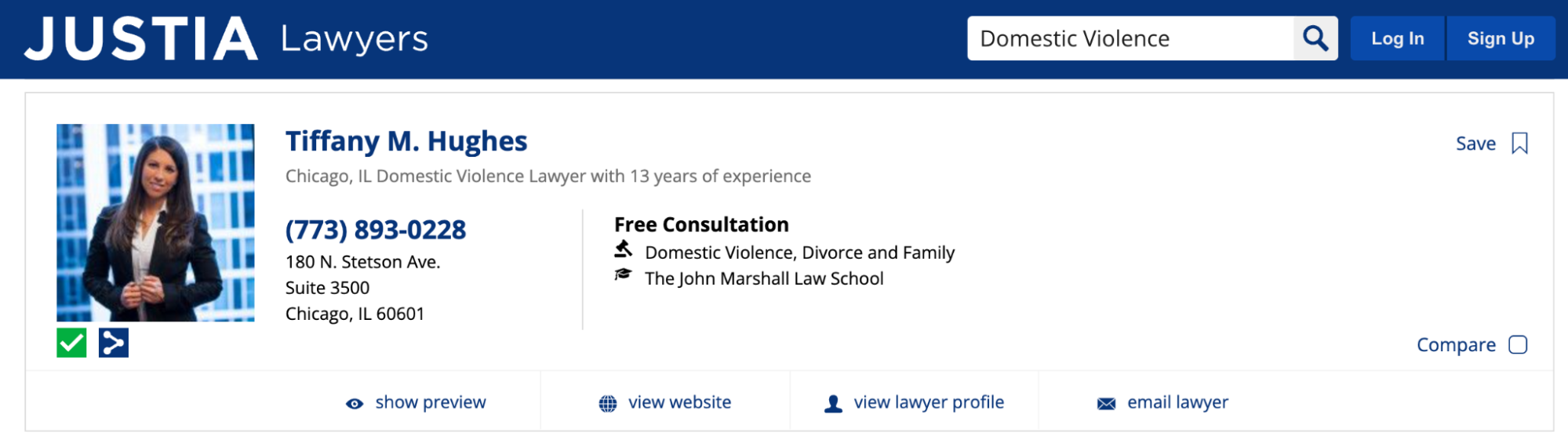
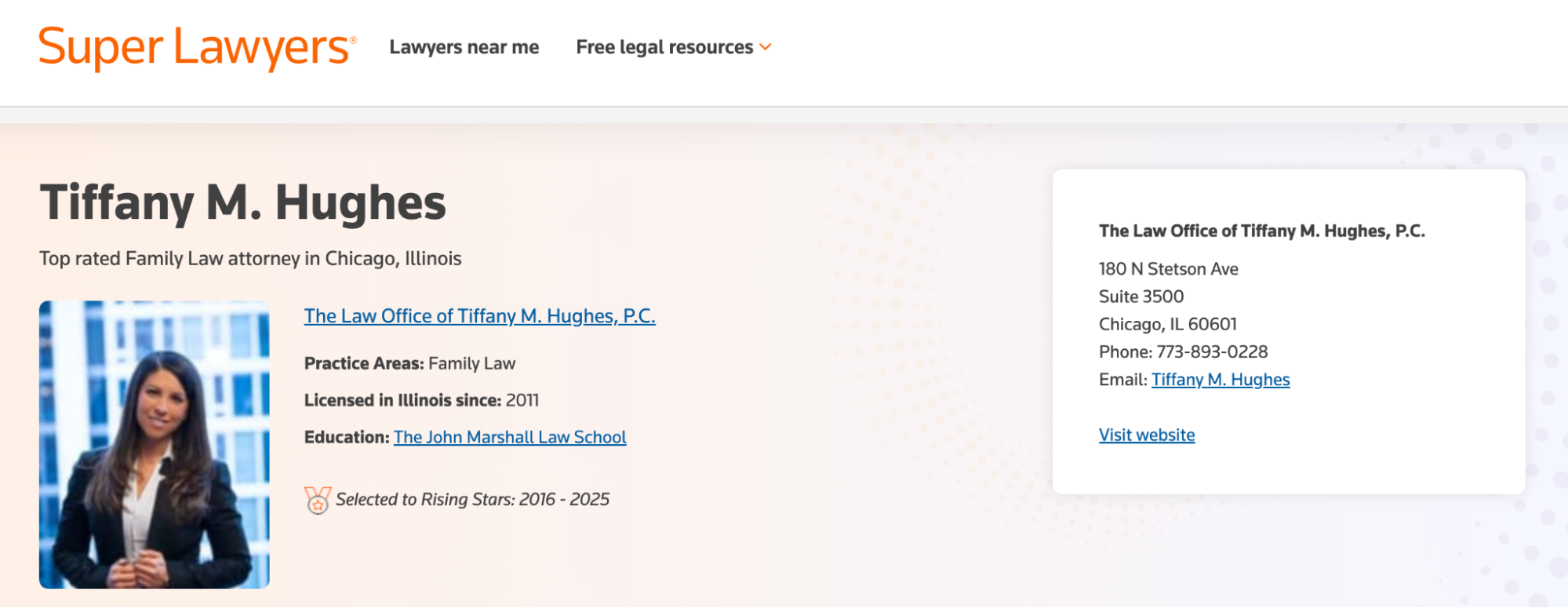
We call them foundational links because:
- They’re used by customers to find law firms
- They show Google you’re a real, active business
- They build your brand online
- They cover any visibility gaps in search engines
- They can rank on Google for very competitive terms
For each client, we’ll usually create around 50 of these profiles as a foundation and then move on to building more high-impact links instead.
How to build valuable links for your law firm
Now, let’s go through the exact step-by-step process our agency uses to build links for our clients.If you’re already working with an agency, you can use this process to understand the value of the links they’re building for you and how to check these links will benefit your business in the long run.
1. Reverse engineer your competitor’s best links
Before we take on any new client for a link building project, we analyze their competitors’ links and identify any gaps the client may have.There are a few different SEO tools that can help you do this, we use Ahrefs.
You can enter your website to get a baseline of where you’re starting from. Then, in a new tab check out your competitors’ SEO performance and their backlinks.
Here’s an example of Cauble and Whittington’s SEO performance:
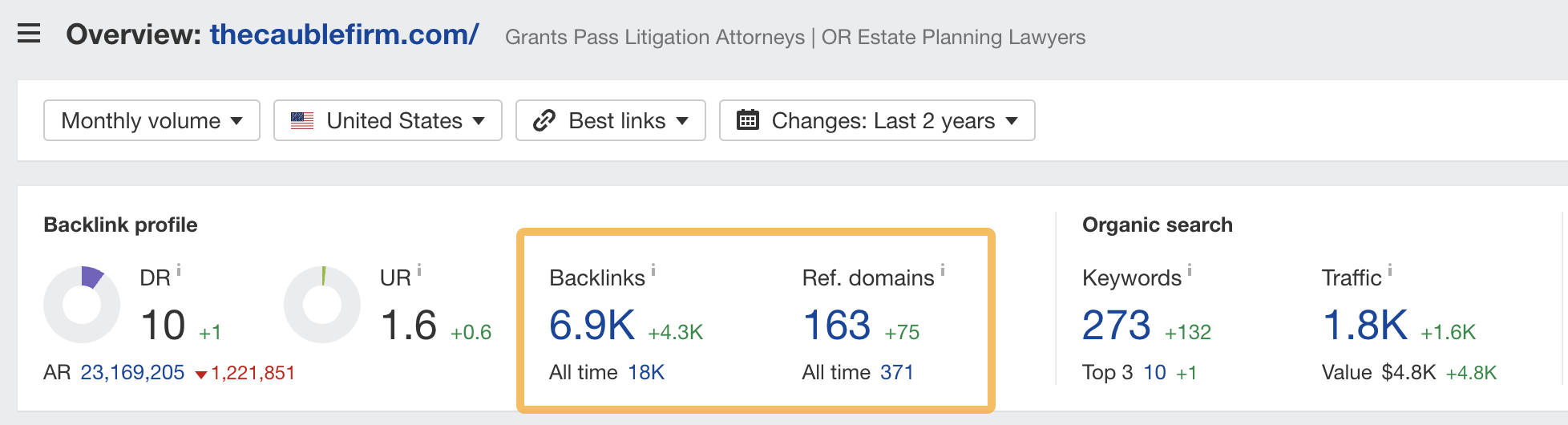
- Backlinks: This value is the number of total links to Cauble and Whittington’s website.
- Referring Domains: This number is the total different websites those links are found on.
Taking a closer look, we can see that the types of websites where they get most links from are Tier 3 directory sites:
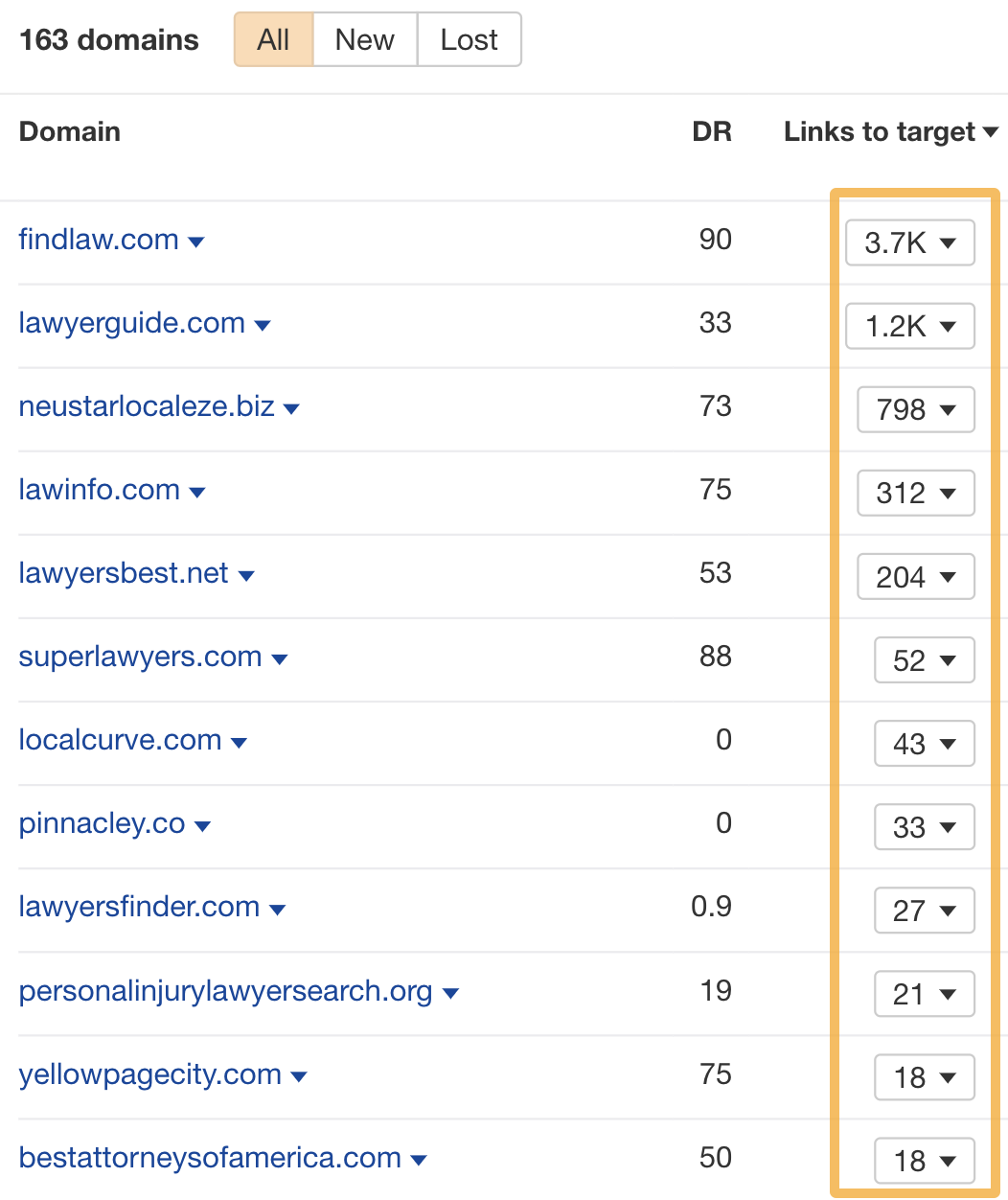
Then there are the sites Google ignores. These are a dead giveaway as they often mention “SEO” in the URL. Or they just don’t sound like a real website:
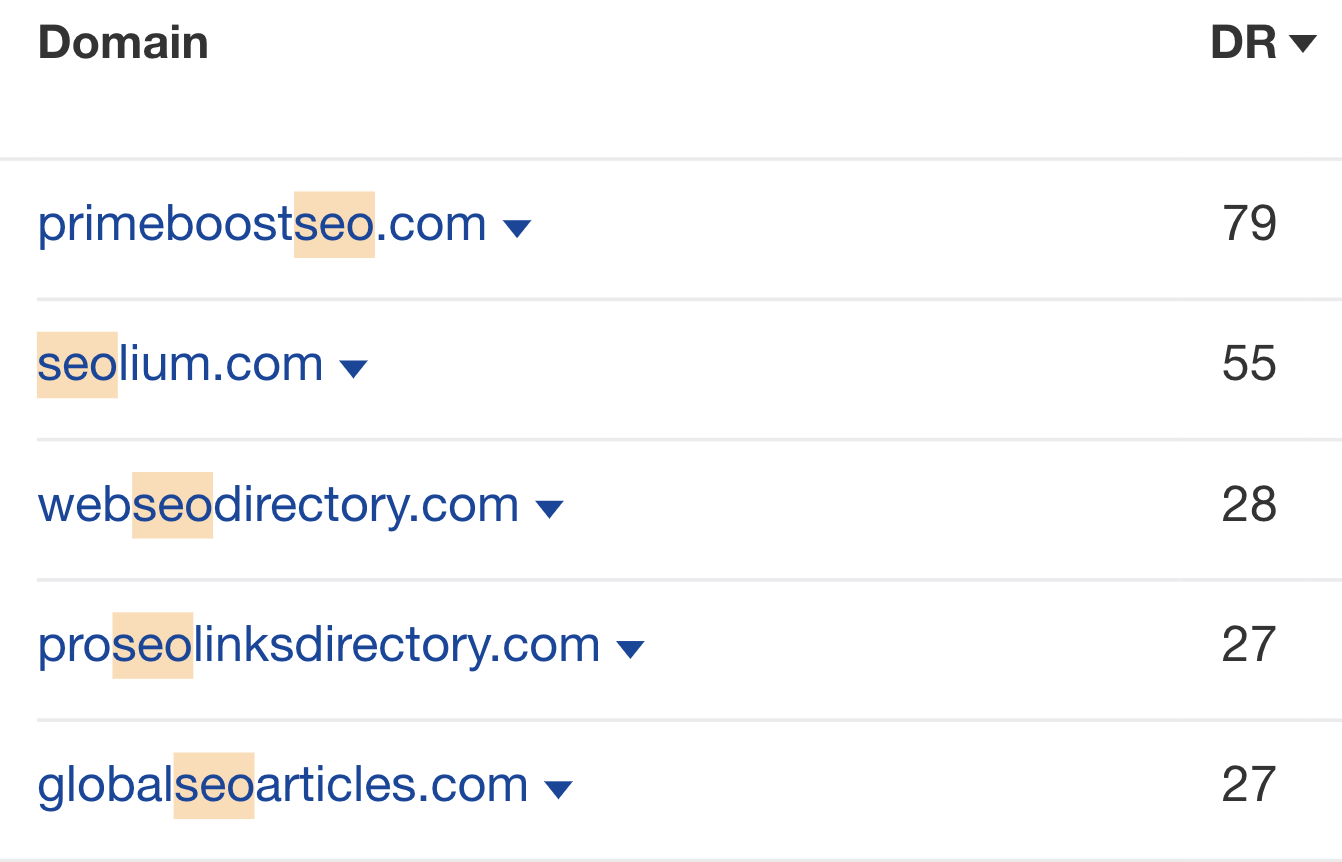
Which leaves us with only a very small amount of Tier 1 and 2 websites we can reach out to for links and brand mentions, making it a much more manageable list.
2. Build a list of website targets
Finding your competitor’s links is easy—any SEO tool can help you do that.Knowing which websites are worth reaching out to as you is where your success lies.
As you’re going through the list of links your competitors may have, you’ll likely encounter websites where you’re unsure if they’re worth reaching out to.
Here’s the checklist our team uses internally to validate any website as a link target:
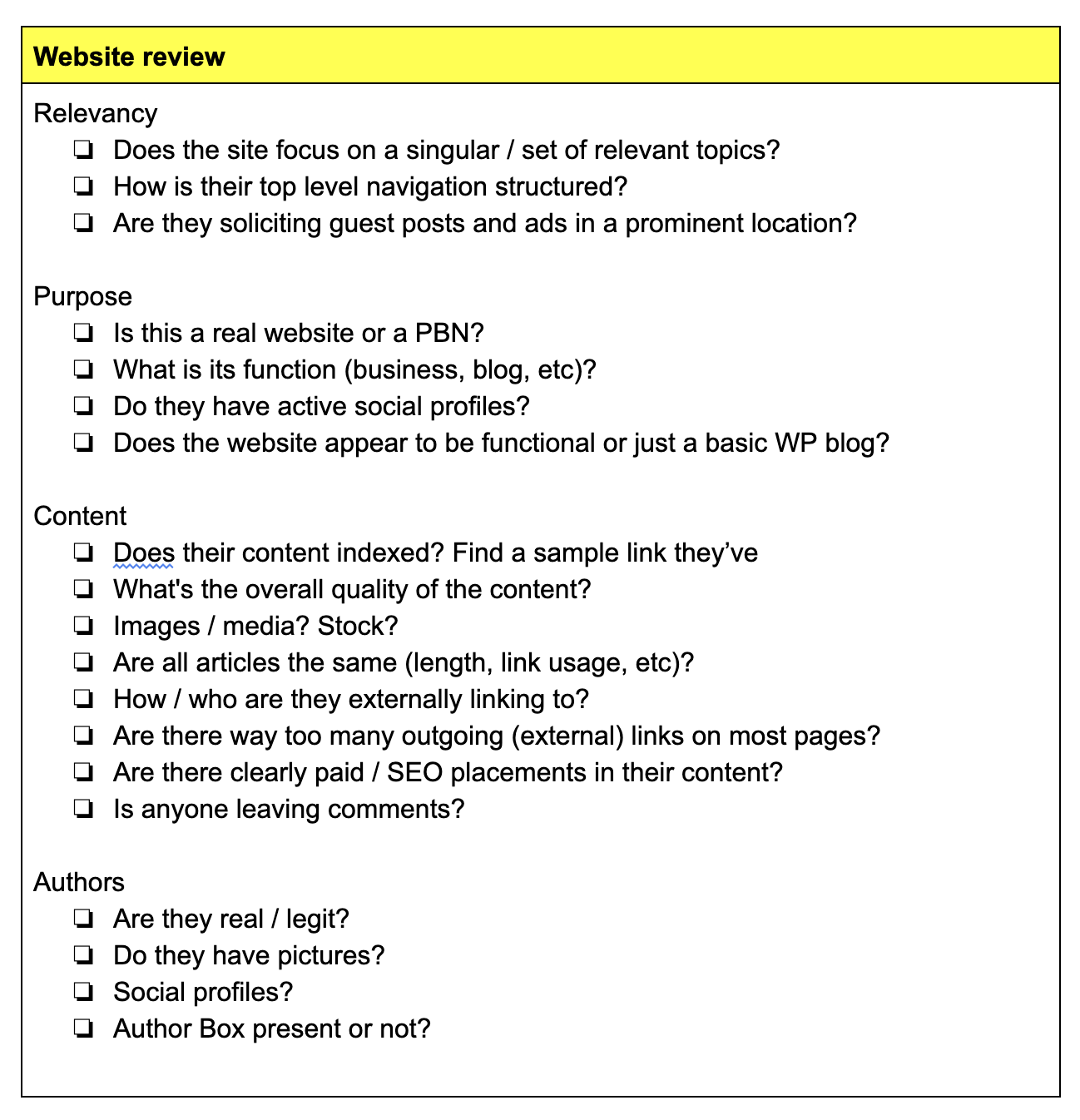
For each website that passes all the checks, add it to your list of targets you’d like to reach out to for links.
3. Reach out to those websites and their authors
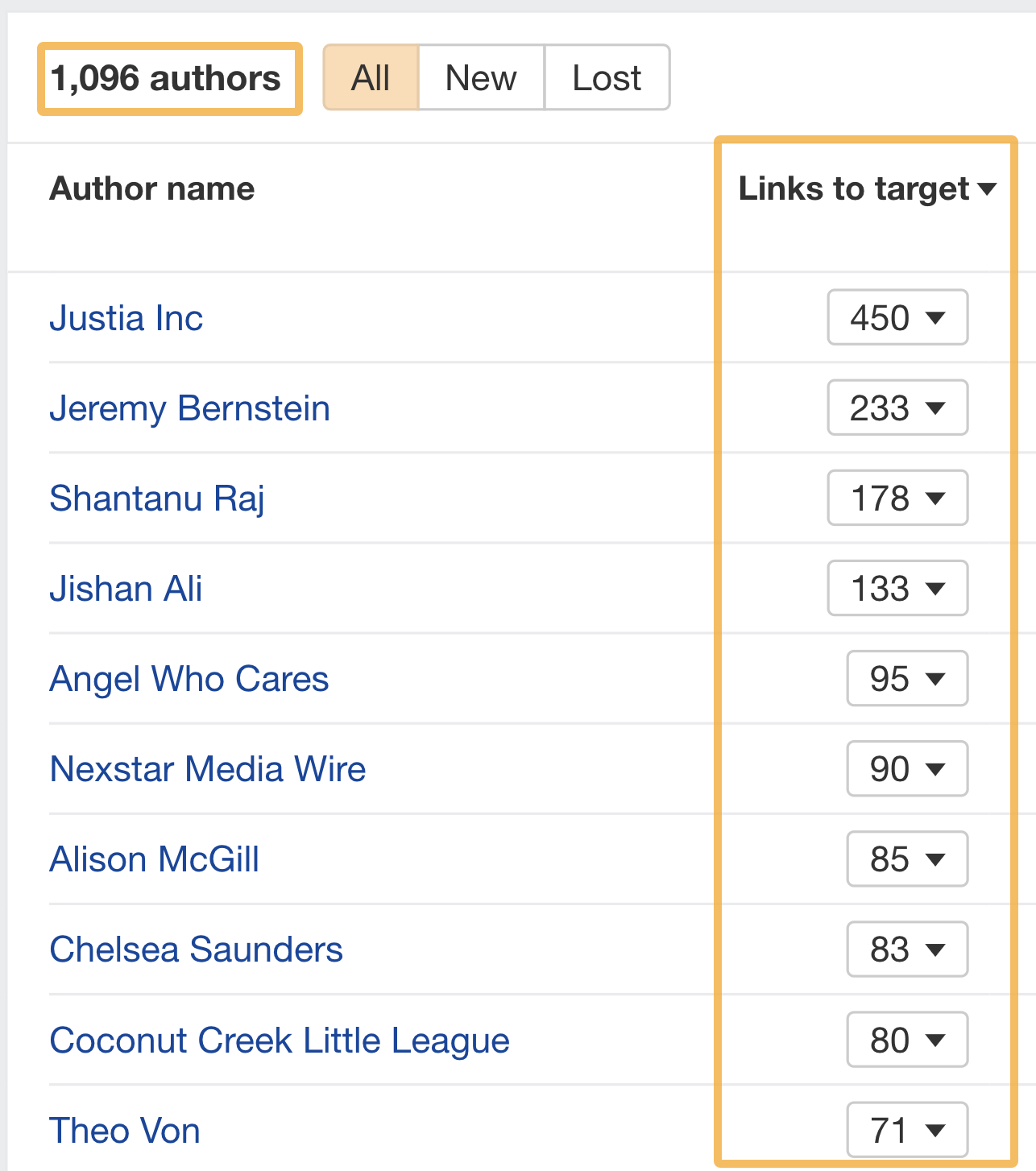
Once you have a list of websites to reach out to, it’s just a matter of finding the best person to email.You can do this by checking who wrote each post that has linked to your competitors. Or you can also use Ahrefs’ Linking Authors report to find the writers and journalists who frequently link to your competitors.
- Checking their author page
- Reaching out on social media
- Using a tool like Hunter
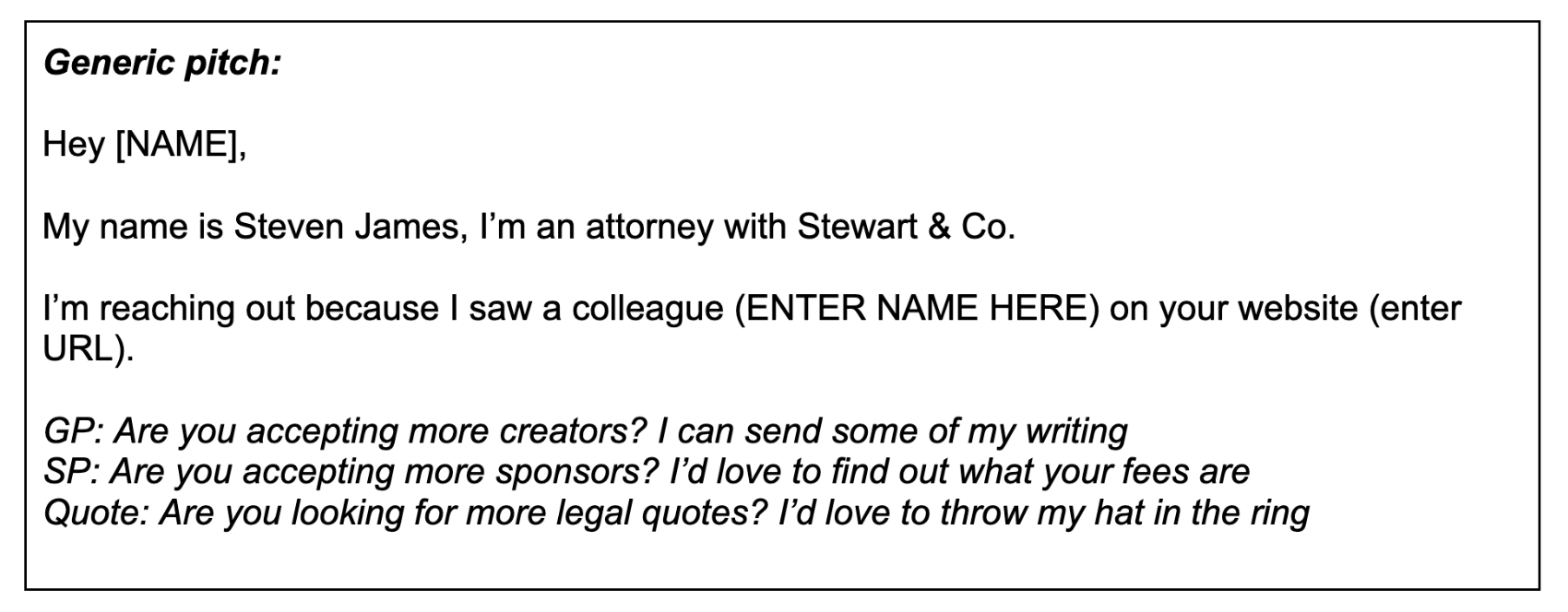
You could also try offering an expert quote for any topic they’re working on.
4. Negotiate for optimal placement and brand visibility
The nature of this game is that most of the time, you’ll have to pay a fee to earn the placement on someone else’s website.On top tier publications, the fee can be over $2,000 while on smaller publications it can be lower than $100.
The final fee you may need to pay comes down to how well you negotiate with the authors and website owners.
And herein lies the challenge with link building for attorney SEO—it’s not complicated or difficult to do. It just takes a lot of time and money, even if you decided to tackle this yourself instead of hiring an agency.
Even with brilliant negotiation skills, there will always be a hard cost for building links. The question is whether you’re prepared to pay it.
5. Track your progress
And finally, once you start the process of earning links, it helps to track the entire process in a spreadsheet or even a CRM software.It’s the easiest way to stay on top of who you’ve contacted, who needs a gentle follow up and also what your agreements finally ended up becoming.
For example, here’s a snapshot of our link tracker which documents all the links we’ve built for clients.
<screenshot of link tracker spreadsheet >
If you’re working with an agency, they should be keeping track of the links they’re building.
If they’re not, then it could be a sign that they’re either not building any links or they’re building low-quality links that could get your site in trouble with Google.
We can get your law firm featured on Forbes
Link building is essential for lawyers who want to improve their brand’s visibility through search engines.Not only are links how search engines discover new content but they also influence your brand’s authority online.
If you need help with building your authority online and earning links, or you’d like to get an audit of what your SEO agency might be doing (or not doing, as the case may be), book a consultation below.
You’ll get a chance to see exactly what’s going on with your website, the exact links you’re getting and the value of those links.
Book free discovery call