With AI search disrupting everything and Google Ads costing $300+ per click, is SEO still worth it for law firms in 2026? This guide reveals why one specific SEO placement still drives 50%+ of client calls—and costs you nothing.
If you’ve invested in SEO for your law firm and haven’t seen the phone ringing off the hook, you’re not alone.
The search landscape has fundamentally changed, and many agencies are still playing by outdated rules.
Welcome to the era of GEO—Generative Engine Optimization—where AI-powered search platforms like ChatGPT, Perplexity, and Google’s AI Overviews are reshaping how potential clients find legal representation.
Let’s break down what’s really happening in legal SEO in 2026 and, more importantly, where you should be focusing your energy and budget to actually acquire clients.
Understanding Today’s Search Results: A Reality Check
Type “car accident attorney” into Google right now. What do you see? Even without adding your city name, Google automatically localizes your results. This tells us something critical: all your target keywords are local keywords. Google knows that legal services are inherently local, and it’s treating them accordingly.
But here’s where it gets interesting—and expensive.
The Three-Tiered Paid Advertising Gauntlet
Before a potential client even sees organic results, they encounter multiple paid placements:
Local Service Ads (LSAs) appear first with Google Guaranteed badges, star ratings, and instant contact options. Unlike traditional ads, you pay per qualified lead rather than per click—but you’re still paying Google for that placement.
Google Ads (PPC) come next, the traditional pay-per-click format where a single click for high-value keywords like “car accident attorney” can cost upwards of $300. Yes, you read that right. One click, not one client, can cost more than most people spend on groceries in a week.
While we love Google Ads for clients with substantial budgets—they work exceptionally well—the reality is simple: if you don’t have deep pockets, you’ll get buried in the auction. And even if you do, you’re essentially paying to skip the line rather than building sustainable organic visibility.
The Gold Standard: The Google Maps Pack
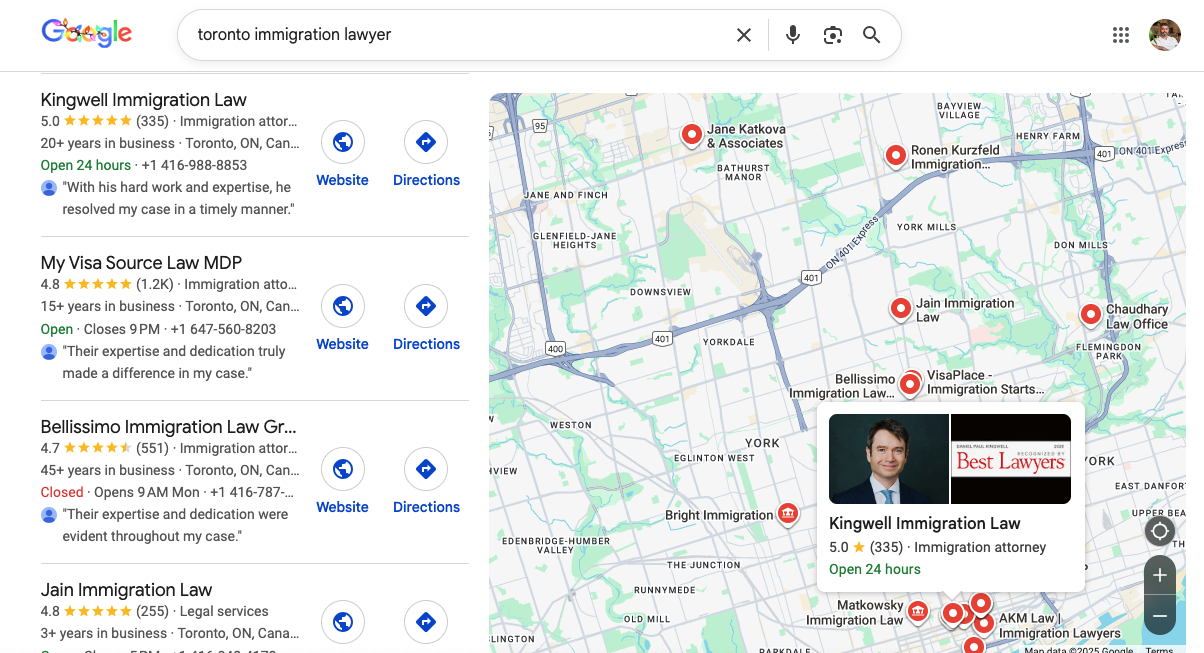
After scrolling past two layers of paid ads, users finally reach the first organic placement: the Google Maps Pack (also called the Local Pack or Map Pack). This is the game-changer, and here’s why our data across hundreds of law firm campaigns is crystal clear:
Visual prominence: Whether on desktop or mobile, the Maps Pack dominates screen real estate with an actual map, photos, and business information
Trust signals: Star ratings, review counts, and business hours are immediately visible
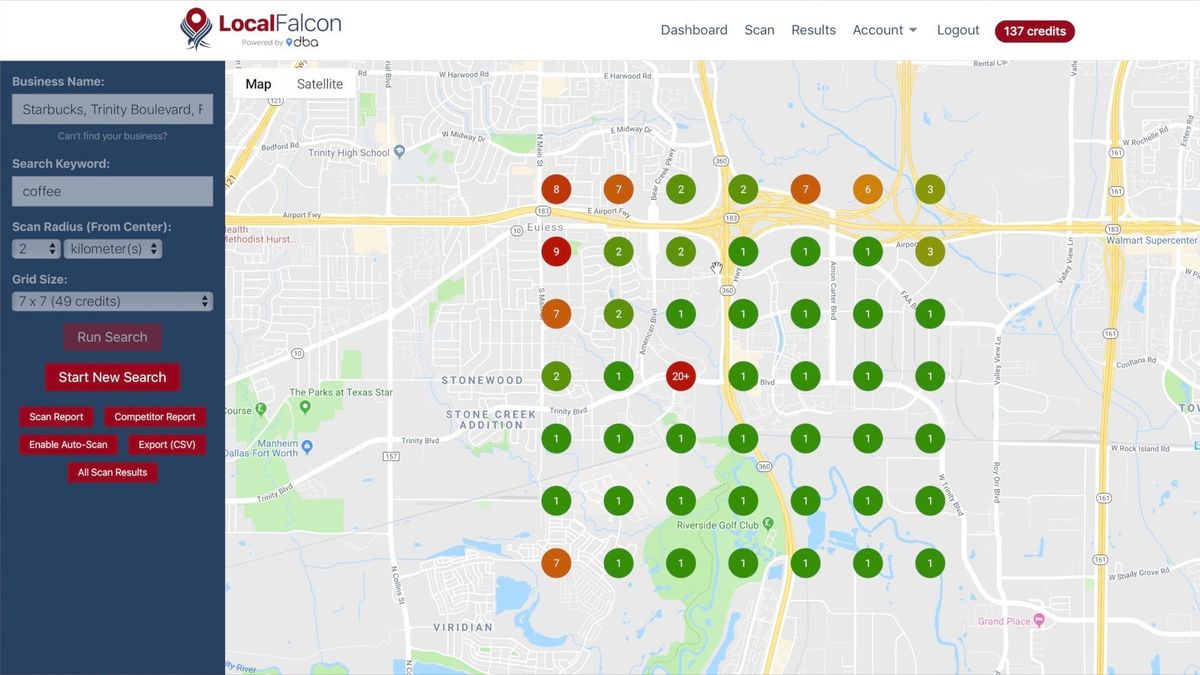
Proximity indicators: Clients can see which attorneys are closest to them
Click-to-call functionality: One tap connects a potential client directly to your firm
Mini-website experience: Your Google Business Profile functions as a comprehensive business listing within Google itself
Think about your own behavior. When you search for a restaurant, plumber, or any local service, where do your eyes go? Probably straight to that Maps Pack.
What About Traditional Organic Rankings?
Scroll past the Maps Pack and you’ll find traditional organic results. Notice what ranks first: typically Super Lawyers, Yelp, Avvo, and other directory sites. Your actual law firm website? It’s probably buried on page two or three—if it ranks at all.
This is why traditional SEO agencies often fail to deliver phone calls. They’re focused on getting your website ranked in positions that require users to:
Scroll past two sets of paid ads
Skip the Maps Pack
Ignore People Also Ask boxes
Navigate past directories like Super Lawyers
Click through to individual websites (usually comparing multiple firms)
The funnel just has too many leak points. This is why local SEO targeting the Google Maps Pack is where we keep the main thing the main thing.
The AI Search Revolution: Enter GEO
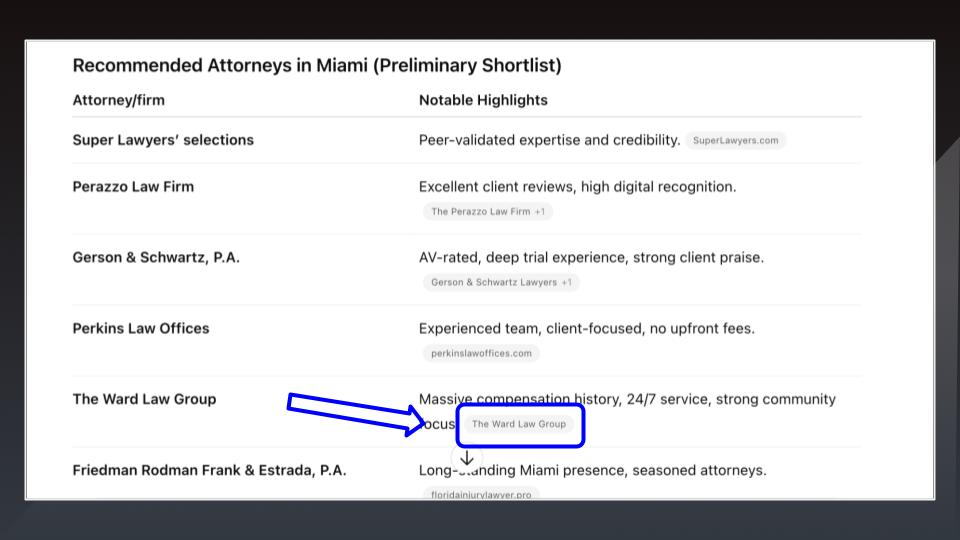
But wait, there’s more complexity to navigate. Search is no longer just about Google. ChatGPT, Perplexity, Google’s Gemini, and other AI-powered platforms are capturing significant market share. Be honest with yourself: do you use ChatGPT? Of course you do. So do your potential clients.
These platforms now feature their own version of local search results, though they work differently than Google’s Maps Pack. A search for legal services might pull results from:
Yelp profiles
Google Business Profiles
Directory listings
Attorney websites
Review platforms
Generative Engine Optimization (GEO) is the practice of optimizing your online presence for these AI-powered search platforms. The good news? GEO and SEO overlap by about 80%. The even better news? If you’re doing local SEO correctly, you’re already doing much of what’s needed for GEO.
The Four Pillars of Modern SEO and GEO for Law Firms
Let’s strip this down to the fundamentals. Every successful local search campaign for law firms is built on four pillars:
1. Findability (Technical Foundation)
This is the technical backbone of your digital presence. For law firms, this includes:
Website speed: Your site needs to load quickly on all devices
Mobile optimization: Most legal searches happen on smartphones
Site structure: Clear navigation and logical page hierarchy
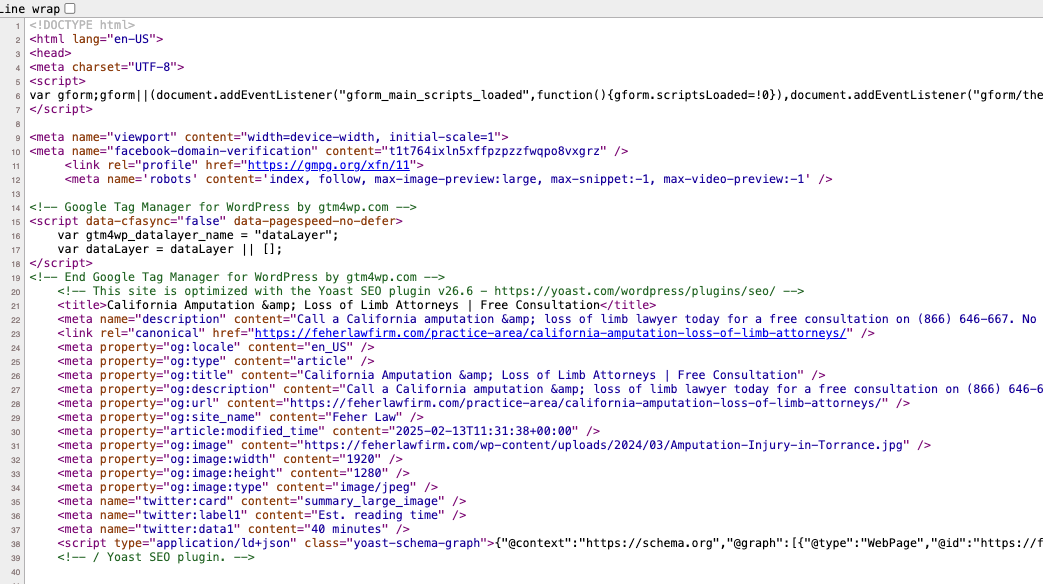
Clean code: Search engines need to easily crawl and understand your website
Here’s the truth: if you’re running WordPress with a decent theme, most technical SEO is handled automatically. Legal websites aren’t complex e-commerce platforms with thousands of products and inventory fluctuations. You’re working with 20-30 pages maximum. Technical SEO matters, but many agencies over-inflate its importance to justify their fees.
2. Local Prominence (Your Reputation Layer)
This pillar focuses specifically on local ranking factors:
Review management: Responding to every review (positive and negative) professionally and promptly
Citation consistency: Your NAP (Name, Address, Phone) needs to be identical across all platforms
Local directory presence: Strategic profiles on Yelp, Avvo, Super Lawyers, and industry-specific directories
Your Google Business Profile is a protected asset within Google’s ecosystem. It deserves the same attention you’d give your website—because functionally, it is a website within Google that drives massive traffic and calls.
Content for SEO purposes means written content on your website that search engines can find, index, and rank. This isn’t about Instagram reels or YouTube videos (though those have their place in your overall marketing). This is about:
Practice area pages: Comprehensive coverage of each legal service you offer
Location pages: Strategic pages targeting specific cities and neighborhoods you serve
Resource content: Answering common legal questions your potential clients are searching for
Case results and case studies: Demonstrating your track record (where ethically appropriate)
The content myth: More isn’t always better. SEO agencies have over-inflated content needs for years, creating bloated websites with hundreds of thin, keyword-stuffed pages targeting every zip code imaginable.
Quality beats quantity. Focus on comprehensive, helpful content that demonstrates expertise. And yes, AI can help you create this content at scale—when used correctly with proper prompting and human editing. We’ll show you how.
4. Links and Mentions (Your Digital PR)
Traditional SEO focused heavily on backlinks—when authoritative websites link to yours, it signals trust and relevance to search engines. Links have historically represented up to 50% of Google’s ranking algorithm.
But GEO expands this concept to include mentions. Even if Huffington Post writes about your firm without linking to you, that mention matters in AI-powered search platforms. They understand entity relationships beyond just HTML links.
For law firms, this means:
Legal publications: Being featured in ABA Journal, state bar publications, legal news sites
Local media: Press coverage in local news outlets
Legal directories: Strategic presence on authoritative legal platforms
Guest contributions: Writing for legitimate legal publications
Speaking engagements: Coverage of your conference presentations or webinars
The key is authenticity and relevance. Spammy link-building tactics don’t work anymore—they’re simply ignored by search engines. Focus on genuine digital PR opportunities.
The Bottom Line: Where Should You Focus?
If you’re handling your law firm’s marketing in-house or evaluating an agency partnership, here’s your priority list:
Google Business Profile optimization: This is your highest-ROI activity
Review generation and management: Social proof drives conversions
Strategic content creation: Focus on quality over quantity
Technical fundamentals: Get the basics right, then move on
Genuine link-building opportunities: Pursue authentic PR, not spammy tactics
The legal marketing landscape is more complex than ever, with paid ads, organic rankings, AI search platforms, and reputation management all competing for your attention and budget. But when you focus on the placements that actually drive phone calls—primarily the Google Maps Pack—and build your presence across both traditional search and AI-powered platforms, you create sustainable, compound growth.
Ready to Modernize Your Law Firm’s Search Strategy?
At WEBRIS, we specialize exclusively in digital marketing for law firms. We’ve analyzed thousands of campaigns and millions of dollars in legal marketing spend to identify what actually drives client acquisition. Our approach combines Google Maps Pack optimization, strategic SEO, GEO for AI search platforms, and paid advertising campaigns that complement (rather than replace) your organic presence.
If you’re tired of SEO agencies that focus on vanity metrics like “rankings” and “traffic” without delivering actual phone calls from qualified prospects, let’s talk. We’re obsessed with one thing: getting your phone to ring with potential clients who need your legal expertise.
Schedule your free strategy session to discover how your law firm can dominate local search results and capture clients in the era of AI-powered search.
You’re Missing Out On Leads!
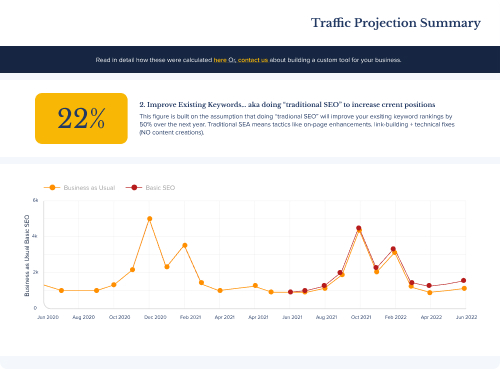
Our Traffic Projection Tool Will Show Your Website’s True Potential (aKA How Much Money You Should Be Making).
Using data from your website, our Traffic Projection analysis can accurately forecast how much traffic (and revenue) your website could be getting from Google.